
About Wonder Lab
The lab was founded in April 2002, when Professor Woohun Lee, its director, joined the Department of Industrial Design at KAIST. Initially named Design Media Lab, it pursued the development of design tools and new forms of media for interaction. In its early years, the lab focused on applying augmented reality to design practices while developing new interaction techniques and interfaces. In 2015, with support from the Ministry of Science and ICT, the lab began a project to improve visitor experiences in science museums and changed its name to Wonder Lab. Since then, Wonder Lab has explored new design approaches through which interactive technologies can provide people with more meaningful and enjoyable experiences, with a particular focus on play, learning, and creativity. Through digital-physical hybrid interaction, the lab has consistently pursued the seamless integration of digital information with physical spaces and objects, aiming to make everyday life easier, more intuitive, and more enjoyable.
Research Areas
Wonder Lab explores interaction design across technologies, environments, and human contexts. Our research areas are organized around three interconnected directions: the tools that enable new forms of interaction, the immersive and hybrid environments where interaction takes place, and the people and contexts that give these interactions meaning.
Tech & Tools
- Interaction Techniques and Devices
- Creativity Support Tools
- Digital Fabrication and Design Materials


Immersive & Hybrid Environments
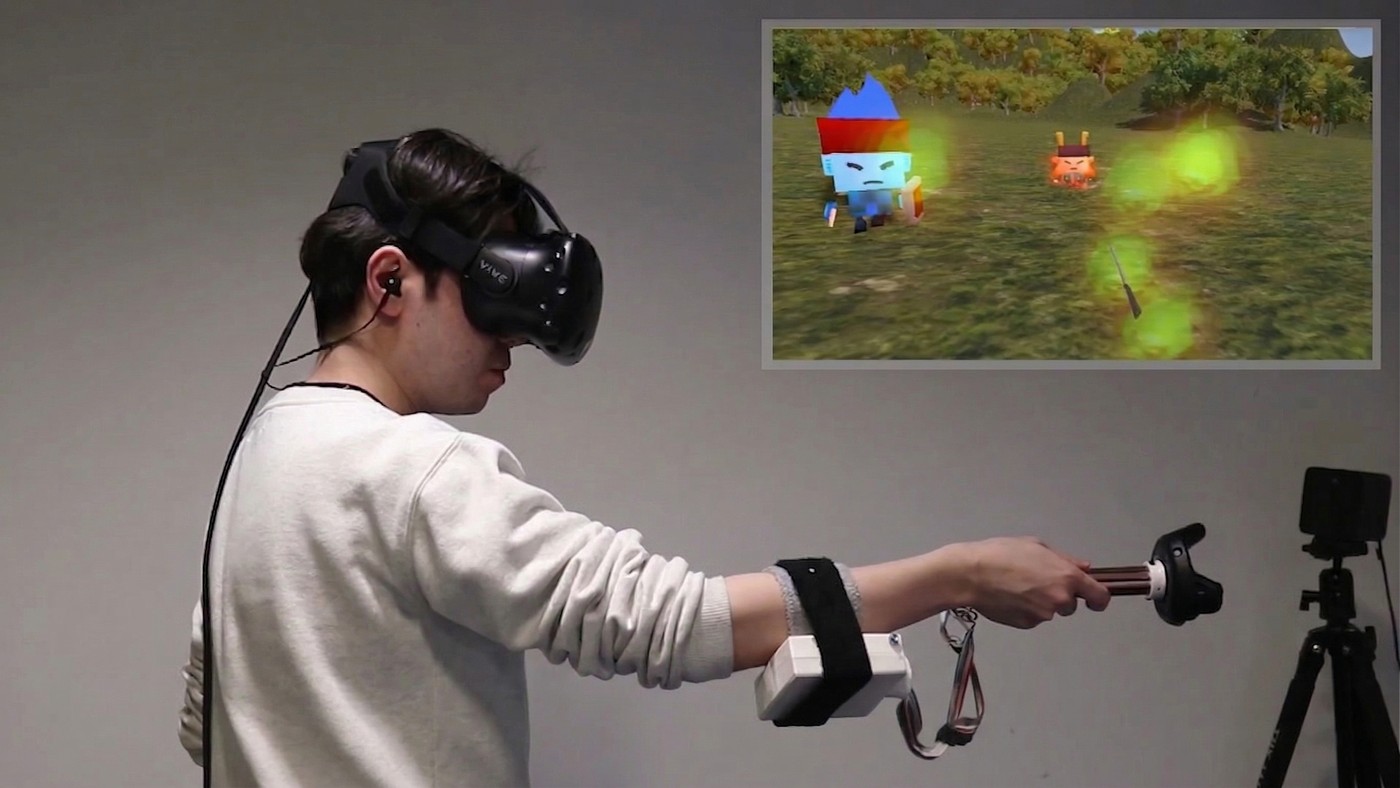
- XR Interaction and Immersive User Experience
- Digital-Physical Hybrid Interaction


Users & Contexts
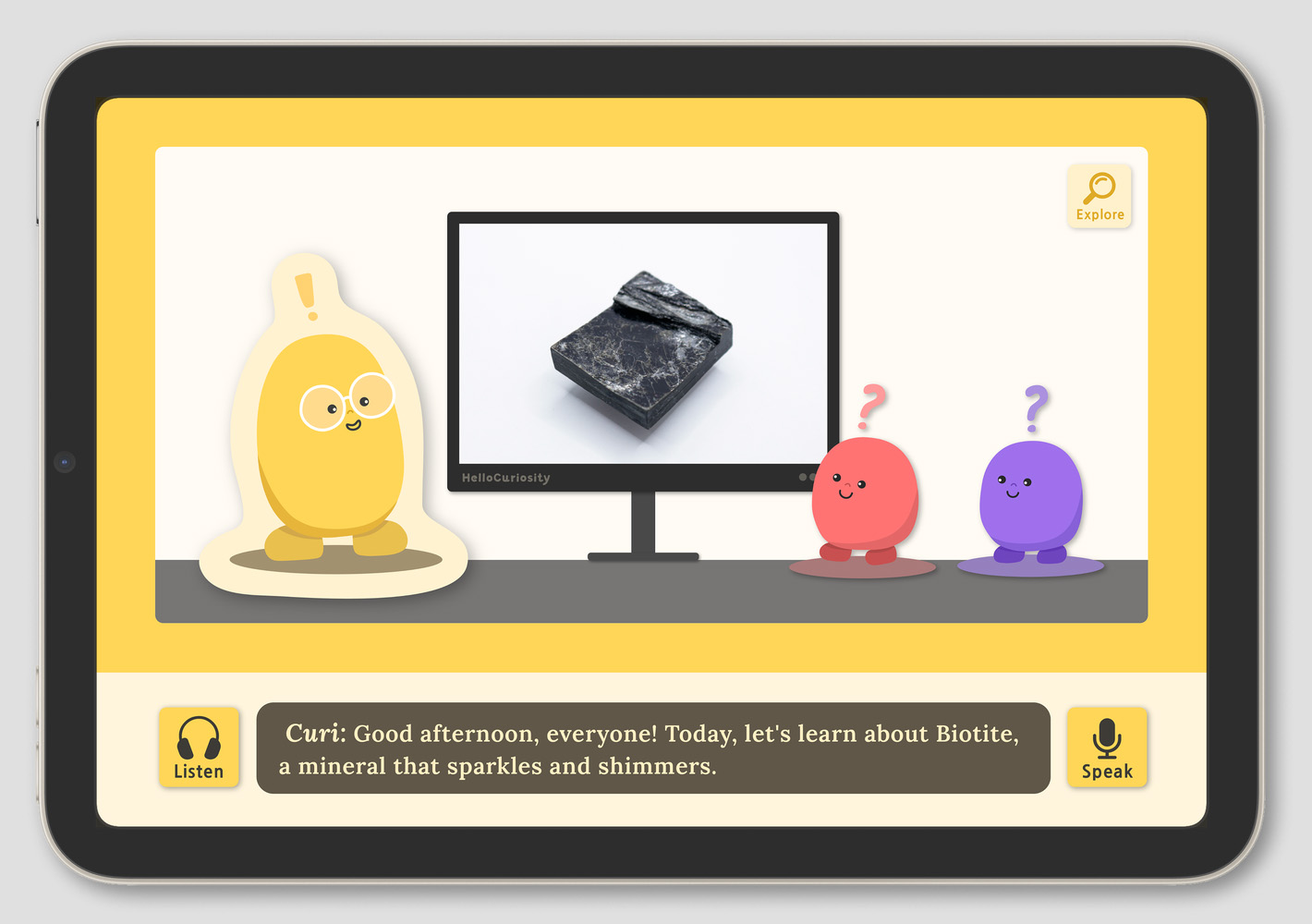
- Human-AI Interaction
- Child-Centered Interaction Design
- Interactive Museum and Cultural Experiences


Lab Life
Wonder Lab is a collaborative research community where students from diverse backgrounds come together to share ideas and inspire one another. Beyond research, members connect through workshops, mentoring, and social gatherings that strengthen the sense of community. By fostering a supportive environment, Wonder Lab provides a safe space for everyone to freely exchange perspectives and develop their research interests.


We actively use XR and AI technologies as design materials in the digital-physical hybrid interactions we focus on. Accordingly, what we create is usually implemented as a combination of hardware and software—a fusion of the physical and digital, or an integration of the real and virtual. Our design scope includes human-object interaction and interpersonal collaboration, and sometimes extends to human-animal interaction. The kind of design we pursue values creativity and diversity unconstrained by conventional assumptions.




Joining Wonder Lab
We welcome students who are interested in exploring the relationship between people, technology, and creative experience. Prospective members are encouraged to look through our projects and publications to understand the kinds of questions we ask and the methods we use. Wonder Lab is especially suited for students who enjoy inventively making things and working across the boundaries of design, engineering, and art.